Layering curtains over blinds is one of the easiest ways to elevate your home’s interior design while improving privacy, light control, and insulation. By combining blinds with curtains, you can create layered window treatments that add depth and texture to your space while offering greater functionality than a single window covering.
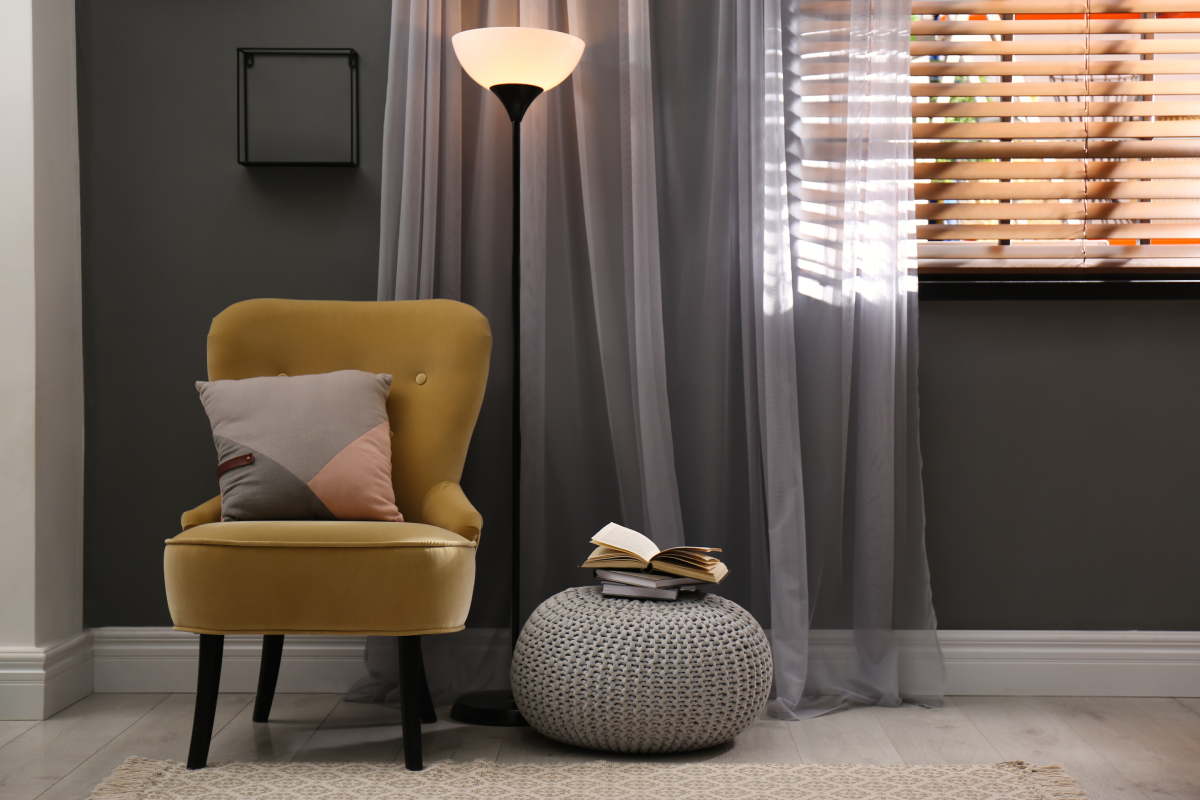
Whether you’re refreshing a living room, bedroom, or home office, the right curtains over blinds ideas can transform the look and feel of your windows. Below, we’ll explore design inspiration, styling tips, and practical strategies for incorporating layered drapery into your home.
Why Layer Curtains Over Blinds?
Blinds are excellent for controlling light and maintaining privacy, but they can sometimes feel minimal or utilitarian. Curtains soften the look while adding warmth and visual interest.
Layered window treatments offer several benefits:
- Improved Light Control: Blinds allow you to adjust incoming light throughout the day, while curtains provide additional shading when needed.
- Added Privacy: Layered drapery helps reduce visibility from the outside, especially at night when indoor lights are on.
- Enhanced Energy Efficiency: Curtains can provide an extra barrier against summer heat and winter drafts.
- Greater Design Flexibility: Curtains introduce color, pattern, and texture that blinds alone typically cannot provide.
Classic Curtains Over Blinds Ideas
If you’re considering adding layered drapery to your home, these classic combinations are a great place to start.
Sheer Curtains Over Horizontal Blinds
This is one of the most popular curtains over blinds ideas for living rooms and dining areas.
Sheer curtains soften the structured look of blinds while allowing natural light to filter through. The blinds remain functional for privacy and glare control, while the sheer layer creates a light and airy feel.
Best for:
- Living rooms
- Sunrooms
- Dining rooms
Blackout Curtains Over Blinds
Bedrooms often benefit from heavier layered window treatments. Pairing blackout curtains with blinds gives you maximum light control.
During the day, blinds can filter sunlight while maintaining privacy. At night, blackout curtains block exterior light, helping create a more restful sleep environment.
Best for:
- Bedrooms
- Guest rooms
- Nurseries
Patterned Curtains with Neutral Blinds
If your blinds are a neutral color—such as white, beige, or gray—they create a perfect backdrop for decorative curtains.
Patterned curtains can introduce visual interest without overwhelming the room. This approach works particularly well when you want your layered drapery to serve as a design feature.
Popular patterns include:
- Floral prints
- Geometric designs
- Subtle stripes
Modern Layered Window Treatments
If you prefer a more contemporary aesthetic, consider these updated approaches to layering curtains over blinds.
Neutral-on-Neutral Layers
Modern interiors often rely on subtle contrasts rather than bold color. Pair light-colored blinds with curtains in slightly darker shades of the same palette.
Examples include:
- White blinds with ivory curtains
- Beige blinds with sand-colored drapery
- Gray blinds with charcoal curtains
This creates dimension while maintaining a calm, sophisticated appearance.
Textured Drapery
Instead of relying on bold patterns, modern layered window treatments often emphasize texture.
Consider fabrics like:
- Linen
- Cotton blends
- Textured weaves
These materials add depth while maintaining a clean design.
Tips for Styling Layered Drapery
Successful layered drapery requires thoughtful planning. The following tips can help ensure your window treatments look intentional and balanced.
- Choose the Right Curtain Length: For the most polished look, curtains should typically extend to the floor. Short curtains can disrupt the visual flow of the layered design.
- Extend Curtain Rods Beyond the Window: Install curtain rods several inches beyond each side of the window frame. This allows curtains to frame the window rather than block natural light when open.
- Coordinate Colors and Materials: While contrast can be effective, blinds and curtains should still feel cohesive. Choose fabrics and finishes that complement the room’s overall color palette.
- Avoid Excess Bulk: If your blinds are already thick—such as wood blinds—choose lighter curtain fabrics to prevent the window from feeling visually heavy.
Where Layered Window Treatments Work Best
Although curtains over blinds ideas can work in nearly any room, they are especially effective in areas where comfort and style are both priorities.
- Living Rooms: Layered drapery adds elegance and softness to large windows and gathering spaces.
- Bedrooms: Combining blinds and curtains offers greater control over light and privacy.
- Home Offices: Blinds manage glare on computer screens, while curtains enhance the room’s aesthetic.
- Dining Rooms: Layered window treatments help create a warm and inviting atmosphere for entertaining.
Elevate Your Windows with Layered Drapery
Layering curtains over blinds is a simple way to upgrade both the style and function of your windows. By combining the practicality of blinds with the softness of curtains, you can create layered window treatments that enhance privacy, improve light control, and add visual depth to your space.
From sheer curtains over blinds to bold, patterned drapery, there are countless curtains over blinds ideas that can complement your home’s interior design.
If you’re ready to explore fabrics, styles, and custom layered drapery options, the team at Mr. K’s Fabric Shop can help you find the perfect solution to bring your window design vision to life.